Best Hybrid Mattresses for Back Pain: Profiles for Support and Comfort
A medium-firm hybrid with pocketed coils and zoned comfort layers is the profile most often shortlisted for back pain. It supports the spine like a coil bed while cushioning pressure points like foam. Here is how the hybrid profiles differ.
By the Sleep Comfort Insights editorial team at Essential Systems · Last reviewed
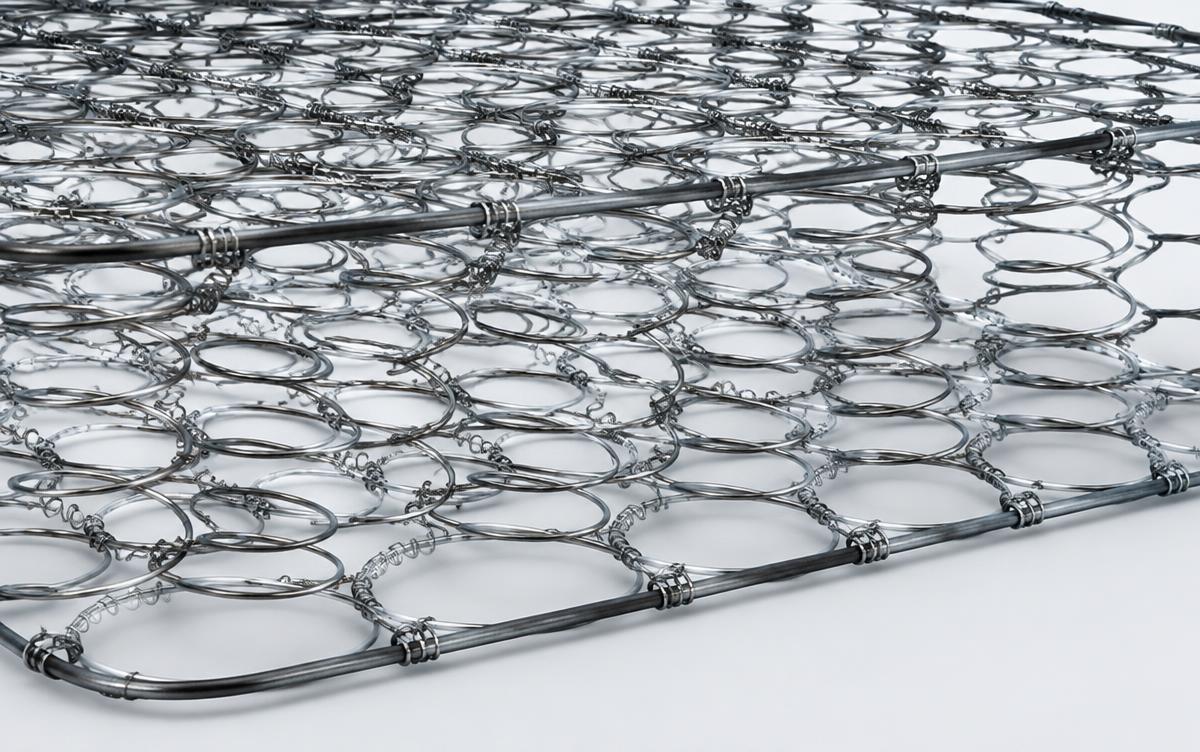
Why hybrids suit many back pain sufferers
A hybrid mattress layers foam or latex over a coil core. The coils give push-back that keeps the hips from sinking, and the top layers soften the surface. That combination fits the guidance behind many recommendations, including the Kovacs 2003 trial linking medium-firm beds to better outcomes in chronic low back pain. See our best mattress for back pain page for the broader picture.
Hybrid profiles compared
| Profile | Suits | Pros | Cons |
|---|---|---|---|
| Medium-firm zoned pocketed-coil hybrid | Back and combination sleepers | Targeted support, airflow | Costs more |
| Medium hybrid with latex comfort layer | Hot sleepers, those who dislike foam | Cool, responsive | Heavy, pricey |
| Medium-soft hybrid with thick foam top | Side sleepers with joint pain | Plush with support | May be too soft for heavier sleepers |
| Firm reinforced hybrid | Heavier adults, stomach sleepers | Stable support, durable | Less cushioning |
Profile details
Best overall profile: medium-firm zoned pocketed-coil hybrid
- Who it suits: back sleepers, combination sleepers, average-weight adults.
- Pros: supportive and breathable with good edges.
- Cons: heavier to move; may transfer more motion than dense foam.
- Spec check: pocketed (individually wrapped) coils, comfort layer thickness, zoning details.
Best for hot sleepers: latex-topped hybrid
Latex over coils offers a cool, buoyant feel. It can be a strong pick if you find foam too hot.
Best for heavier adults: reinforced coil hybrid
Look for thicker coil gauge, reinforced edges and dense foams. See our guide for heavy individuals.
Hybrid vs. innerspring
The line between the two can blur. A traditional innerspring typically has a thinner comfort layer, while a hybrid has a substantial foam or latex section. We compare them in innerspring vs. hybrid mattresses.
Spec-sheet checks for hybrids
- Coil type: pocketed coils isolate motion better than connected coils.
- Comfort layer thickness: shallow layers can feel firm to side sleepers.
- Edge support: matters if you sit or sleep near the edge.
- Overall height: taller is not always better; layer quality counts.
- Warranty: look at sagging depth thresholds in warranty terms.
Are hybrids better than memory foam for back pain?
Not universally. Hybrids often feel more supportive and cooler; memory foam may contour better. See best memory foam mattresses.
What firmness should a hybrid for back pain be?
Medium-firm is a common starting point, adjusted for weight and sleeping position.
Do hybrids sag?
Any mattress can. Foam layers usually soften first; coils tend to hold up longer. Check warranty sag limits.
Are hybrids good for couples?
Pocketed-coil hybrids can limit motion transfer reasonably well, though dense foam still isolates motion best.