Innerspring vs. Hybrid Mattresses: A Detailed Comparison for Your Sleep Needs
Innerspring and hybrid mattresses both rely on coils, but hybrids generally add a more substantial foam or latex comfort system. The main difference is usually the cushioning above the springs, not the presence of springs. Better support depends on your body and the finished design rather than the category name.
By the Sleep Comfort Insights editorial team at Essential Systems · Last reviewed
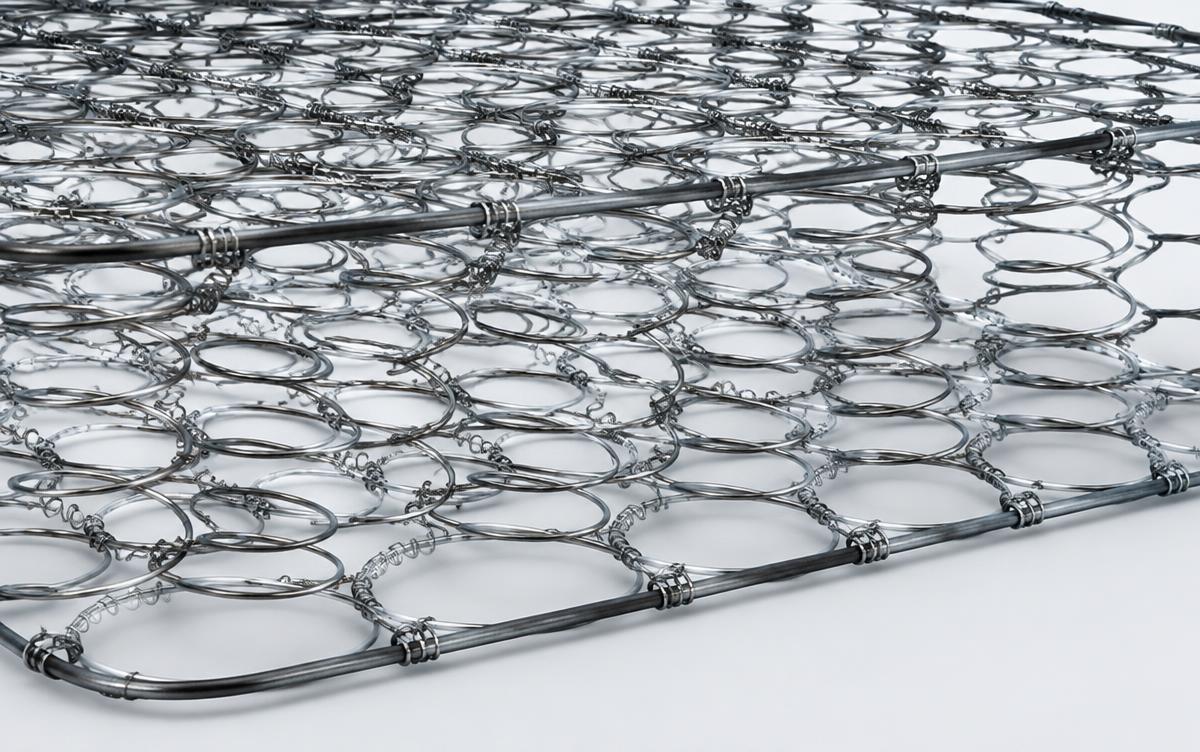
The real construction difference
Traditional innersprings usually have a relatively thin upholstery system over the coil unit. Hybrids typically add a thicker comfort stack made from memory foam, latex, conventional foam, or several materials together. Retail terminology is inconsistent, so there is no universally enforced boundary. A mattress called an innerspring may use pocketed coils, and a mattress called a hybrid may have little meaningful cushioning.
Read the innerspring guide and hybrid guide to understand the layers before comparing claims. Ask how much material sits above the support unit and what each layer does. Total height, pillow-top styling, and a long list of branded layer names are not substitutes for a clear construction diagram with thicknesses and material descriptions.
Compare the characteristics that affect sleep
| Question | Typical innerspring | Typical hybrid |
|---|---|---|
| How close is the cradle? | Shallower with thinner padding | Potentially deeper, depending on comfort layers |
| How easy is turning? | Often quick and responsive | Varies with foam response and sink |
| What about motion? | Connected coils may transmit more | Pocketed coils and foam may reduce transfer |
| What about temperature? | Open coil core allows airflow | Core airflow plus variable surface insulation |
| What supports the edge? | Border, reinforced coils, or encasement | Similar options; not guaranteed by category |
| What wears first? | Upholstery can soften before coils | Comfort layers can soften before coils |
Support versus cushioning
Support describes how the whole mattress resists your load and maintains a comfortable position. Cushioning describes how the upper layers accommodate contact points. Coils contribute support in both categories, but a very soft top can still let your pelvis sink too far. A minimally padded innerspring can also feel uncomfortable if your shoulder cannot settle. Neither extreme becomes better simply because the underlying spring unit is strong.
Back sleepers may enjoy either a gently cushioned innerspring or a moderately contouring hybrid. Side sleepers often need more shoulder and hip accommodation than a thin upholstery layer provides, although a hybrid can also be too firm. Stomach sleepers should check midsection sink carefully. The firmness scale helps translate feel, while your actual position test determines whether the support is suitable.
Coil specifications need context
Pocketed coils respond more independently than connected units, which can help reduce transferred movement. Both categories may use them. Coil count changes with mattress size and may include small comfort coils, so a larger number is not automatically better. Wire gauge, coil shape, working turns, and steel characteristics also contribute to spring behavior. A count or gauge cannot rank a complete mattress by itself.
Reinforced edges can help people who use the full sleeping surface or sit to get dressed. But seated stability and lying comfort are different tests. A firm foam border may feel stable initially yet reduce airflow at the perimeter, while reinforced coils can have a different sensation. Try the edge rather than assuming that a premium-sounding support description guarantees easy transfers out of bed.
Motion, bounce, and heat
If easy movement is the priority, a simpler innerspring or a latex hybrid may appeal. If partner disturbance is the priority, a memory foam hybrid over pocketed coils may be worth trying. These are starting profiles, not tested winners. The foundation and bed frame can transmit motion too, so a shaky frame may make even a well-damped mattress feel disruptive.
Both categories have space for airflow within the coil system. Surface materials still determine much of the warmth you feel: deep contouring can reduce airflow around the body, while thick quilting can insulate. Do not assume hybrid means hot or innerspring means cool. Review the hot-sleeper guide and consider the protector, bedding, and room alongside mattress construction.
Back pain is not a category contest
A mattress that better matches your body may improve sleep comfort, but a hybrid is not a treatment and a firm innerspring is not automatically healthier. Look for a relaxed posture, manageable pressure, and easy position changes. If pain began after the current mattress developed a persistent dip, investigate the foundation as well as the comfort layers before choosing a replacement.
Value, durability, and ownership
Simpler innersprings can cost less than elaborate hybrids, but price varies widely and does not establish quality. Extra layers create more opportunities to tune feel, not a guarantee of longer life. In either category, soft or low-resilience upholstery can change before the coil unit fails. Ask for foam specifications, load limits, base requirements, and what the warranty considers a qualifying indentation.
Hybrids can be heavy and tall, which matters for delivery, moving, fitted sheets, and getting into bed. Most modern one-sided designs should not be flipped. Follow rotation instructions and keep the mattress dry. A topper can add surface cushioning to a sound mattress, but it cannot correct failed springs, a sagging base, or a deeply deteriorated comfort system.
Make the final choice
- Start with a responsive innerspring if you like shallow cushioning and easy movement.
- Try a foam hybrid if closer contouring and reduced partner disturbance are priorities.
- Try a latex hybrid if you want cushioning with quicker rebound.
- Compare the written trial and return terms, including pickup, fees, and required adjustment periods.
During the trial, track pressure, morning comfort, warmth, and ease of turning. Make one bedding change at a time so you can identify what helps. Read the mattress return policy guide before ordering, and do not let a trial deadline push you into ignoring persistent or worsening symptoms.
Frequently asked questions
Is a hybrid always more supportive?
No. Support depends on the complete design and sleeper. A suitable innerspring can support well, while a hybrid with overly soft layers may not fit your body.
Do both types use pocketed coils?
They can. Pocketed coils do not define the hybrid category; the amount and type of cushioning above the core are usually the more useful distinction.
Which is better for couples?
Test motion transfer, edge space, and firmness compatibility together. A foam hybrid may reduce disturbance, but category labels cannot predict every couple’s experience.
Can I use my old foundation?
Only if it is sound and meets the new mattress manufacturer’s specifications. Required slat spacing, center support, and adjustable-base approval can differ.
Ready for the next step?
Explore the mattress buying guide