Mattress Buying Guide for Heavy Individuals: Finding Optimal Support and Durability
The best mattress for heavy people balances dependable support with enough cushioning for the chosen sleep position. Higher body weight does not automatically mean needing the hardest mattress. Look at the complete construction, foundation requirements, and clearly defined load limits.
By the Sleep Comfort Insights editorial team at Essential Systems · Last reviewed
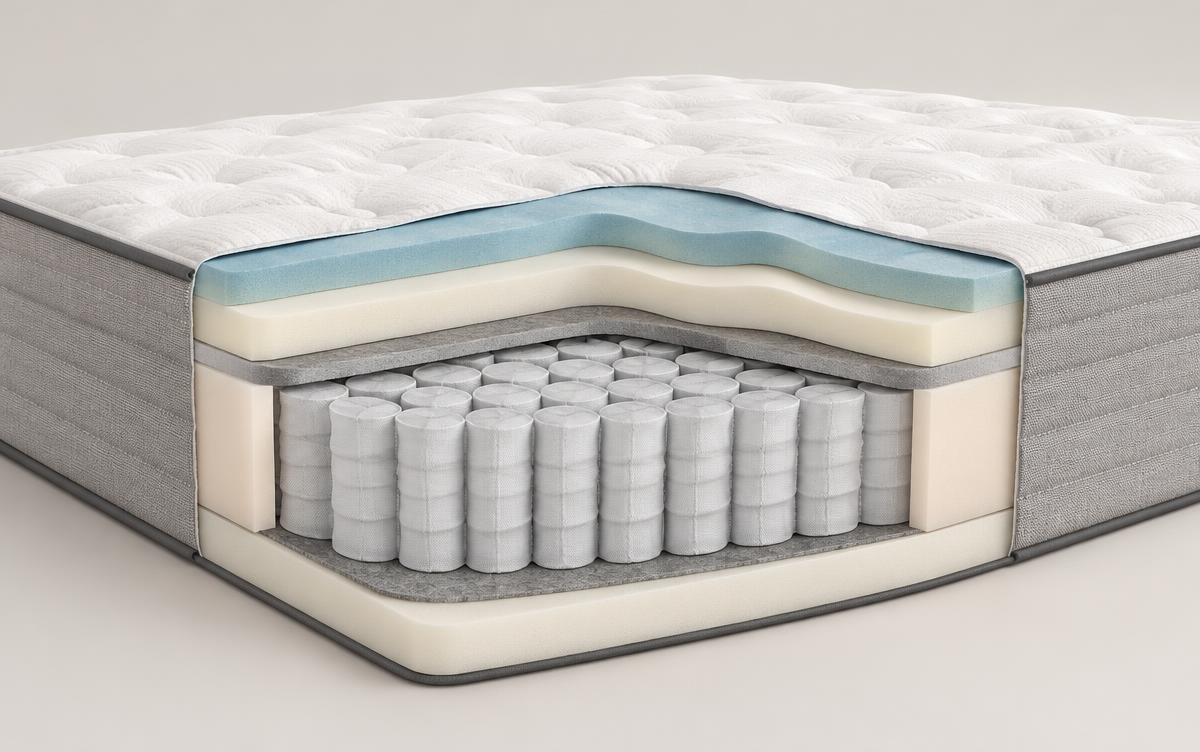
Support is more than a firmness label
A heavier sleeper may compress comfort layers more deeply and engage the support core sooner than a lighter sleeper. That can make the same bed feel softer, less cushioned, or harder to move on depending on its design. Firmness describes surface feel; support describes how the full system manages load and maintains a usable shape. A very firm surface can still have an inadequate core, and a cushioned surface can sit over dependable support.
Body shape and sleep position remain important. A side sleeper may need considerable shoulder and hip pressure relief even while seeking a strong core. A stomach sleeper may prioritize limiting pelvic sink, and a back sleeper may prefer a balanced transition beneath the pelvis. There is no universal weight threshold at which one material becomes mandatory. Use the firmness guide as a comparison tool rather than treating body weight as a complete prescription.
Read load limits carefully
Ask for the written capacity of the mattress, foundation, and frame separately. Some ratings apply to each sleeper, others to the total bed load. A base rating may include the mattress and accessories, not just the people using it. Adjustable bases may also distinguish between static capacity and lifting capacity. The weakest component can limit the usable system, so do not assume a high mattress rating makes an older frame suitable.
Give the seller your expected combined load in pounds without feeling pressured to fit a marketing category. Ask whether sitting at the edge, using an adjustable base, or placing the mattress on particular slats changes the requirements. If capacity is not disclosed, request clarification before buying. Clear written guidance is more useful than vague statements about reinforced construction. Keep the response with your receipt in case warranty questions arise later.
| Detail | Why it matters | Question to ask |
|---|---|---|
| Comfort layers | Affect pressure relief and deep sink | What materials and thicknesses are used? |
| Foam density | Can inform durability comparisons | Is density disclosed for each foam layer? |
| Coil design | Contributes to support and response | How does the complete system perform under load? |
| Edge construction | Affects usable space and transfers | Can I test sitting and lying near the edge? |
| Foundation rules | Protect support and warranty eligibility | What slat spacing and center support are required? |
Compare construction without shortcut claims
A hybrid mattress can combine a coil support system with pressure-relieving comfort layers, making it a sensible category to compare. But coil count alone does not prove strength, and a lower coil gauge number alone does not describe the whole design. Coil geometry, arrangement, tempering, and surrounding materials matter. A thick pillow top can also change how deeply you sink even when the core is substantial. Test the actual mattress rather than relying on one specification.
All-foam and latex constructions can also be worth considering if their load guidance and feel suit you. Foam density is different from firmness: denser foam is not automatically harder. Density can inform durability comparisons, but no isolated number guarantees lifespan. Latex often feels responsive, yet the finished mattress may be heavy to move and may still need appropriate cushioning for side sleeping. Ask for transparent details and compare them with your priorities using the buying guide.
Balance cushioning with easier movement
Too little cushioning can create pressure at the hips and shoulders. Too much deep, slow-recovering cushioning may make turning difficult or leave you feeling caught in a hollow. A transition layer between the soft surface and firm core can affect that balance, but only a real comfort test reveals how it feels to you. Roll onto both sides, return to your back, and sit up as you normally would instead of testing only a still position.
If you share the bed, test together. Combined weight can change the center feel, and a substantial difference between partners can create conflicting firmness needs. Some couples prefer separate comfort choices on a split arrangement, while others find a shared medium-firm design workable. Motion isolation and bounce also compete: a more responsive surface may make turning easier but transfer more movement. Choose the compromise that addresses the disruptions you actually experience.
Evaluate edges, height, and usable space
A stable edge may make sitting and getting out of bed feel more secure, but edge ratings are not standardized across retailers. Test it carefully and avoid assuming edge foam or reinforced coils will perform identically. Check the overall height of mattress and base together. An unusually tall bed can be difficult to enter, while a very low bed can make standing harder. A mattress is not a substitute for a medically appropriate transfer aid.
Width matters too. More space may help you turn without disturbing a partner or sleeping near a weak edge. A king offers more width than a queen, while California king adds length but is narrower than a standard king. The size guide gives accurate dimensions and room-planning tips. Check doorways, stairs, and delivery arrangements as well as the bedroom footprint, particularly for a heavy latex mattress or a bulky foundation.
Protect the purchase with a workable trial
- Confirm the mattress, frame, and foundation all meet the expected load and the manufacturer's support requirements.
- Ask for layer specifications and capacity definitions in writing rather than relying on terms such as heavy-duty or orthopedic.
- During a trial, track pressure, ease of turning, edge behavior, and any developing depression under normal use.
- Read defect definitions and impression-measurement procedures before assuming early softening is warranty-covered.
- Check pickup arrangements and any return fees, since moving a large mattress yourself may be impractical or unsafe.
Essential Systems has not yet published hands-on test results. Specific product recommendations and affiliate links will be added only after testing; our editorial policy explains our approach and affiliate disclosure. Construction comparisons here are shopping guidance rather than tested rankings. The warranty and returns guide can help you compare practical protection instead of choosing only by the longest advertised coverage period.
Frequently asked questions
Do heavier people always need an extra-firm mattress?
No. Surface firmness and underlying support are different. Your sleeping position and pressure sensitivity still matter, and extra-firm surfaces can be uncomfortable at prominent joints.
Is a thicker mattress always more durable?
No. Thickness does not reveal the quality or arrangement of its layers. Construction, material specifications, support requirements, and real fit matter more than height alone.
Can a topper make a mattress supportive enough?
A topper may change cushioning, but it cannot reliably strengthen a weak core or repair sagging. Check the mattress and foundation before adding accessories.
Does a stated weight limit guarantee long-term comfort?
No. Capacity is a loading specification, not a promise about your pressure relief or the mattress's lifespan. Pair it with a useful home trial and clear warranty terms.
Ready for the next step?
Explore the mattress buying guide