Latex Mattresses: Natural Support, Exceptional Durability, and Eco-Friendly Advantages
Latex mattresses offer a buoyant, responsive feel that cushions without the slow hug associated with memory foam. They can suit people who want easier movement and a resilient surface. Natural content, firmness, and environmental credentials vary, so the word latex is only the beginning of a useful comparison.
By the Sleep Comfort Insights editorial team at Essential Systems · Last reviewed
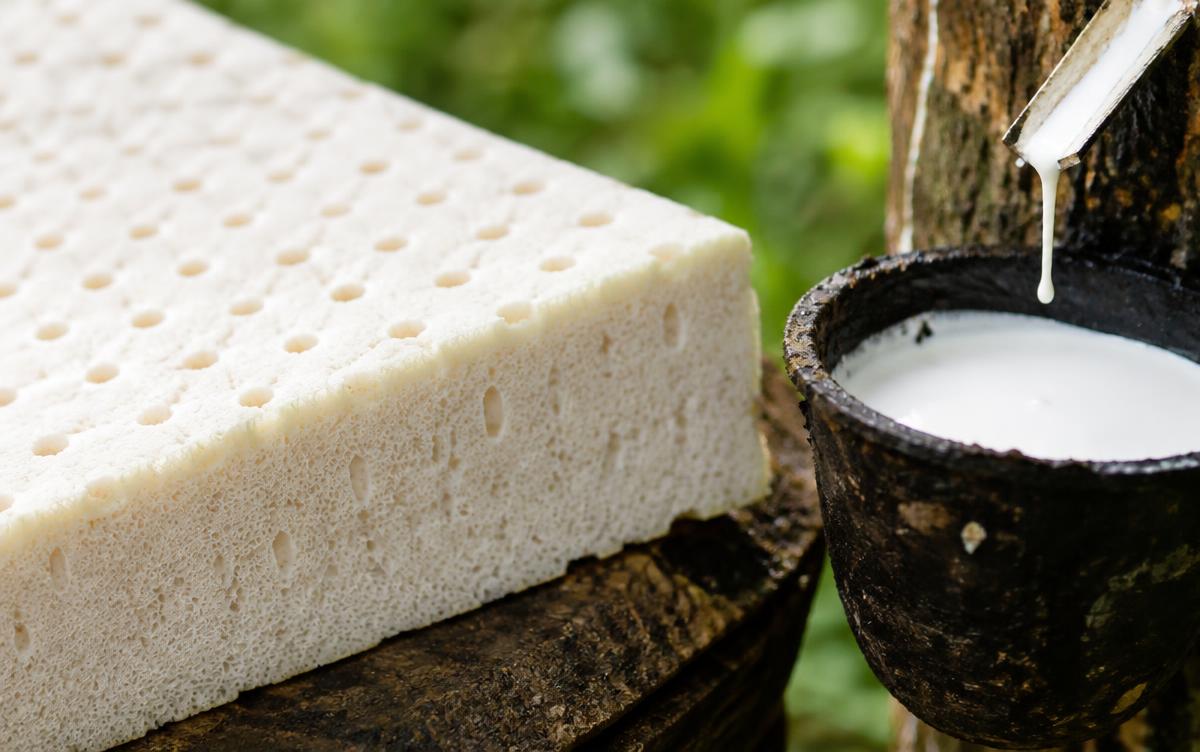
What is inside a latex mattress?
Latex foam can be made from natural rubber latex, synthetic rubber, or a blend. An all-latex mattress uses latex for both cushioning and its support core; a latex hybrid places latex above coils. Other beds include just a thin latex layer over different foams. Ask for a layer-by-layer description and the natural or synthetic composition of each latex component. A natural cover does not tell you what is inside the mattress.
Dunlop and Talalay describe different foam production processes, not two separate plant sources. Dunlop latex often has a denser, more substantial feel, while Talalay is often described as more airy or buoyant. Both processes can produce different firmness levels, and neither term alone proves a mattress is natural, organic, or better for your body. Compare the finished bed rather than ranking manufacturing names.
Latex mattress benefits and limitations
| Characteristic | Why it may help | What to verify |
|---|---|---|
| Quick recovery | Makes changing position easier | Enough cushioning for shoulders and hips |
| Resilience | Can resist lasting impressions | Layer quality and foundation requirements |
| Open structure and perforations | May support airflow | Cover, bedding, and complete construction |
| Springy feel | Useful for people who dislike deep sink | Partner movement and bounce |
| Dense, substantial layers | Stable feel in some constructions | Weight, delivery, and moving arrangements |
Responsiveness is the most distinctive practical difference for many shoppers. Rather than holding an impression for long, latex pushes back as your position changes. That can be welcome if you roll frequently or dislike feeling enclosed. It does not mean the surface must feel hard: a softer latex comfort layer can cushion pressure points, although the sensation is usually different from slowly yielding memory foam.
Support, firmness, and body fit
A latex mattress can be soft, medium, or firm. Layer thickness, compression resistance, zoning, and the support system all influence the result. Side sleepers should check whether their shoulders settle comfortably, while back and stomach sleepers should watch for excessive pelvic sink. Body weight changes how deeply a sleeper engages the layers; a surface that feels yielding to one person may barely compress for another.
No material guarantees spinal alignment or relief from back pain. The goal is a comfortable, sustainable position with appropriate cushioning and deeper support. Use the mattress firmness scale as a starting language, then test your actual fit. If you are unsure about the broader construction choices, review understanding mattress types.
Temperature and partner disturbance
Latex often feels less enveloping than slow-response foam, which may leave more room for air around the body. Perforated layers and coil-based designs can also help airflow. However, a thick cover, nonbreathable protector, or warm bedding can change the experience. Do not interpret natural rubber content as a promise that a mattress will stay cool in every room or for every sleeper.
Latex can absorb some movement, but its springiness may be more noticeable to a sensitive partner than the slow response of memory foam. Test two people entering, turning, and getting out of bed. A divided comfort system can help couples with different firmness needs, though it does not necessarily eliminate motion transfer through the cover, frame, or foundation.
Natural, organic, and allergy claims
Natural latex content and organic certification are different claims. Ask what a certification covers: a raw material, a textile, a factory process, or the finished product. A mattress may contain certified latex but use other materials in its cover, adhesive, or fire barrier. Broad terms such as green or eco-friendly are not substitutes for a documented composition and a clearly identified certification scope.
Do not assume latex is universally hypoallergenic. A cover separates the sleeper from the foam, and processing changes the material, but people with a diagnosed latex allergy should ask their clinician before choosing a latex bed. Dust mites and household allergens can still accumulate in bedding. Removable covers, regular laundering where permitted, and moisture control remain relevant regardless of the foam material.
Durability, handling, and value
Good-quality latex can be resilient, but a fixed lifespan is not something a material name can promise. Softer layers, sleeper load, moisture, foundation support, and handling affect wear. All-latex mattresses can be heavy and flexible, making stairs, rotations, or moves difficult. Ask about delivery access and whether layers are individually removable before assuming you can handle the bed alone.
- Request the full layer thicknesses and firmness options, plus any exchangeable-layer terms.
- Check whether the cover is washable, spot-clean only, or unsuitable for removal.
- Confirm approved foundations, including slat spacing and center support.
- Compare the total purchase and return costs, not just the advertised mattress price.
A zippered design can make adjustment possible, but replacement layers cost money and may have different return conditions from the complete mattress. Never remove a cover unless the manufacturer specifically allows it. For a direct look at feel, heat, and practical trade-offs, see memory foam versus latex and the mattress warranty guide.
Frequently asked questions
Is every latex mattress natural?
No. Latex foam may be natural, synthetic, or blended. Ask for composition information for each layer, not just a description of the cover or a single component.
Does latex last longer than memory foam?
Latex can be durable, but there is no universal lifespan ranking for complete mattresses. Materials, layer softness, body load, care, and the support underneath affect wear.
Is latex good for side sleepers?
It can be if the comfort layers allow adequate shoulder and hip cushioning. A firm latex surface with little give can still create pressure for a side sleeper.
Can I flip a latex mattress?
Only if it is designed for two-sided use. Different layer arrangements may make the underside inappropriate for sleeping; follow the manufacturer’s instructions.
Ready for the next step?
Explore the mattress buying guide