Common Sleep Disorders: How Your Mattress Can Support Comfort
A mattress cannot treat a sleep disorder, but the right surface, base and bedroom setup can make sleep more comfortable while you work with a clinician. This page explains where a mattress may help, where it will not, and when to seek medical advice.
By the Sleep Comfort Insights editorial team at Essential Systems · Last reviewed
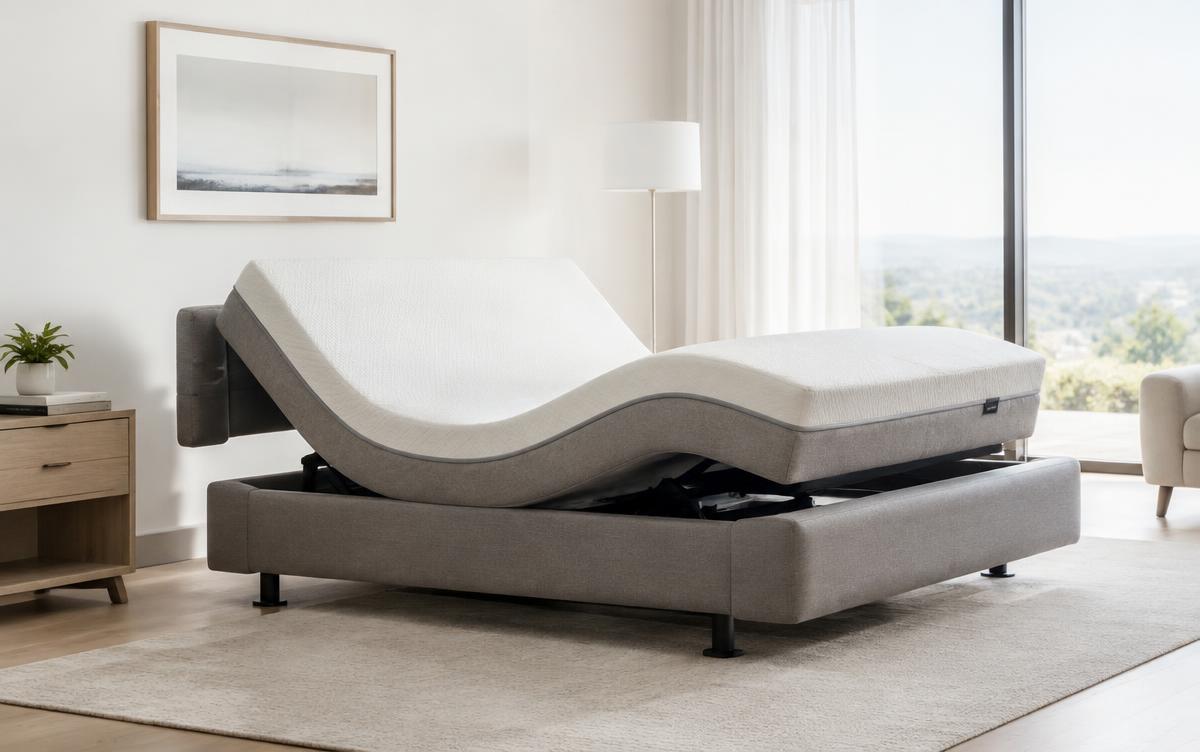
What a mattress can realistically do
Comfort affects how easily you fall asleep and how often you wake from discomfort. Temperature, noise from a partner moving, and pain can all fragment sleep. A suitable mattress can reduce some of those disruptions. It will not address the underlying cause of conditions such as sleep apnea, which is related to breathing, or restless legs syndrome, which is neurological.
Disorder overview
| Condition | What it is | Where bed setup may help | What it cannot do |
|---|---|---|---|
| Insomnia | Trouble falling or staying asleep | Comfort, temperature and quiet; a consistent routine | Replace behavioral or medical treatment |
| Obstructive sleep apnea | Repeated breathing interruptions during sleep | Elevating the head or side sleeping may be advised by a clinician; an adjustable base can allow this | Treat apnea; diagnosis and therapy come from a doctor |
| Restless legs syndrome | An urge to move the legs, often worse in the evening | Comfortable surface and temperature; some find leg elevation helpful | Resolve the condition |
| Sleep-related pain | Pain that wakes you or hinders sleep | Supportive, pressure-relieving surface | Diagnose the cause of pain |
| Night sweats or overheating | Waking hot or sweaty | Breathable mattress and bedding | Identify medical causes |
Insomnia
Clinicians commonly advise cognitive behavioral therapy for insomnia and good sleep habits as first-line approaches. In the bedroom, aim for a cool, dark, quiet space and a mattress that you find comfortable. If pain is keeping you awake, see our guide to mattresses for back pain.
Sleep apnea
Sleep apnea requires medical diagnosis, often through a sleep study, and treatment may include devices such as CPAP. Doctors sometimes suggest sleeping on your side or with the head raised. An adjustable bed can make elevation easy, but check that the mattress is compatible and follow your clinician's advice. A mattress does not replace therapy.
Restless legs syndrome
Management is medical and lifestyle based. Some people find relief with warmth, stretching or leg massage before bed. A comfortable, temperature-friendly mattress may help you settle, but it will not stop symptoms.
Choosing a mattress when sleep is already difficult
- Prioritize comfort in your usual position; see guides for side, back and stomach sleepers.
- If you overheat, read the hot sleeper guide.
- If a partner disturbs you, look for strong motion isolation.
- Choose a generous trial and clear return policy; see warranties and returns.
- Replace a worn mattress; see when to replace your mattress.
Habits that matter as much as the bed
- Keep consistent sleep and wake times.
- Limit caffeine late in the day and avoid heavy meals just before bed.
- Keep screens out of the bedroom if they keep you up.
- Keep the room cool; many guidelines suggest a range of roughly 60 to 67°F.
Can a new mattress cure insomnia?
No. It may reduce discomfort that interrupts sleep, but insomnia often needs behavioral or medical care.
Is an adjustable bed good for sleep apnea?
It may allow head elevation that a clinician has suggested, but it does not treat apnea. Follow professional guidance.
What mattress is best for restless legs syndrome?
There is no proven best mattress. Choose one that is comfortable and not overly warm, and discuss symptoms with a doctor.
When should I see a doctor about sleep?
If problems last for weeks, you snore loudly with pauses in breathing, or you feel very sleepy during the day.