Firm vs. Soft Mattresses for Back Pain: The Definitive Verdict
The firmest mattress is not automatically best for back pain, and the softest is not automatically the most comfortable overnight. Many people start by testing a medium-firm feel, then adjust for their position and body. The goal is enough cushioning to reduce pressure with enough underlying resistance to avoid excessive sink.
By the Sleep Comfort Insights editorial team at Essential Systems · Last reviewed
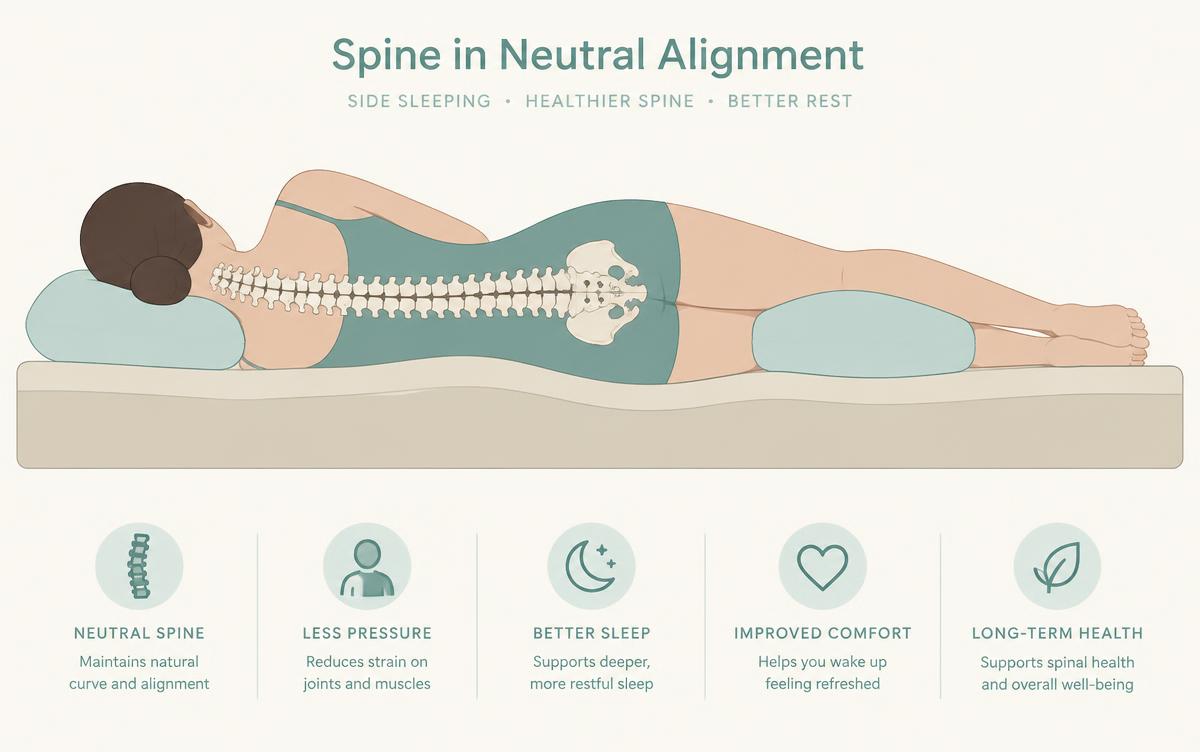
The verdict: fit matters more than either extreme
Firmness is the immediate sensation of softness or hardness, while support is the way the whole construction manages your weight. A plush surface over a capable support core may work well for one sleeper, and a firm surface may leave another with uncomfortable pressure. The useful question is not whether firm or soft wins universally, but whether your body can rest comfortably without feeling bent, compressed, or trapped.
Start with the mattress firmness scale to describe the feel you are seeking. Then look at your position, body weight, proportions, and existing symptoms. Firmness labels are not standardized between companies, so a medium-firm description is only a comparison aid. It cannot replace testing the complete mattress with your normal pillow and usual sleeping positions.
What the research does and does not say
A frequently cited 2003 Lancet trial by Kovacs and colleagues found medium-firm mattresses associated with better outcomes than firm mattresses for people with chronic nonspecific low back pain. This is a useful reason to question the old advice that everyone with a sore back needs the hardest possible bed. It is not proof that one retail firmness number is a treatment for every kind of back pain.
A clinical mattress classification also does not translate perfectly into a brand’s 1–10 marketing scale. Research findings apply to the people and designs studied, not automatically to every material, body type, or spinal condition. Mattresses can influence comfort and sleep disruption, but pain may also involve injury, nerve irritation, arthritis, activity, stress, or other factors that require a broader assessment.
Compare soft, medium-firm, and firm
| Feel | Possible advantage | Potential mismatch |
|---|---|---|
| Soft | More shoulder and hip cushioning | Excessive pelvic sink or difficult turning |
| Medium-firm | A balance of give and resistance | Still too hard or too soft for some sleepers |
| Firm | Less deep compression beneath the midsection | Pressure at shoulders, hips, or other contact points |
A mattress can also combine different sensations: plush quilting may sit above a firm core, or firm-feeling foam may soften after several minutes. Evaluate both the initial contact and the settled position. Persistent sagging is different from normal contouring under load. If a dip remains when no one is on the bed, inspect the foundation and follow the warranty measurement procedure.
Sleeping position changes the balance
Side sleeping
Side sleepers usually need enough give at the shoulder and hip to avoid concentrated pressure. An extra-firm surface can make the shoulder feel compressed even when the pelvis stays high. A very soft surface may allow the pelvis to drop farther than the torso. Aim for comfortable cushioning with support under the waist, and check pillow height because neck position changes as the shoulder sinks.
Back and stomach sleeping
Back sleepers often need moderate contouring around the pelvis without a hammock sensation. Stomach sleepers may need a firmer or shallower comfort system because deep abdominal sink can increase strain. These are general starting points, not instructions to endure a painful posture. Read the back-sleeper guide or stomach-sleeper guide for more focused testing advice.
Body weight and personal preference
A sleeper under 130 lb may compress a mattress less and experience the same surface as firmer. Someone from 130–230 lb may engage the layers closer to the manufacturer’s intended middle feel, though brands vary. A sleeper over 230 lb may sink farther and need stronger deeper support or more resilient layers. These bands are shopping heuristics, not clinical categories or exact thresholds for an individual body.
Weight distribution, height, shoulder width, mobility, and preference matter as well. A heavier side sleeper still needs pressure relief, and a lighter stomach sleeper may still dislike excessive softness. Use the firmness selector quiz to organize those inputs, then treat its result as a test range rather than an individualized diagnosis or a promise of pain relief.
When softness or firmness may be the problem
- Possible excessive softness: sinking disproportionately at the pelvis, feeling trapped, or difficulty changing position.
- Possible excessive firmness: persistent shoulder or hip pressure, repeated repositioning, or discomfort that eases on a more cushioned surface.
- Possible structural problem: a lasting dip, a damaged frame, uneven slats, or rolling toward a depression.
- Possible non-mattress issue: symptoms that persist across sleeping surfaces or accompany numbness, weakness, or injury.
These clues cannot identify the cause of pain by themselves. See can a soft mattress cause back pain? for the difference between softness and failing support. A topper may soften an otherwise sound bed, but it will not rebuild a sagging core. Adding firmness above a deep depression is also unlikely to correct the underlying problem.
Test a change without chasing a cure
If possible, compare nearby feels rather than jumping from very soft to extra firm. At home, keep a brief record of sleep position, pressure points, morning symptoms, heat, and ease of movement. Change one variable at a time, such as pillow height or topper use, so you can distinguish effects. Do not assume that worsening pain is a necessary adjustment phase.
Before buying, confirm return fees, required trial periods, pickup rules, and whether exchanges reduce refund options. Read the mattress buying guide for the broader decision. Seek clinical advice when symptoms persist or are severe; a mattress should be part of a comfortable sleep setup, not a reason to postpone evaluation.
Frequently asked questions
Should I sleep on the floor for back pain?
A harder surface is not a universal remedy and can increase pressure or make getting up difficult. A floor may also create moisture and hygiene problems for a mattress.
Is medium-firm always the answer?
No. It is a reasonable starting point for many shoppers, not a prescription. Position, body weight, pressure sensitivity, and the specific construction can shift the best fit.
Can a topper fix a mattress that is too soft?
It cannot repair sagging or an inadequate support core. A topper changes the upper feel and may help some surface mismatches on an otherwise sound bed.
When should I stop testing and seek help?
Seek medical advice for persistent or severe pain, numbness, or pain after injury. New bladder or bowel dysfunction or leg weakness with back pain needs urgent assessment.
Ready for the next step?
Explore the mattress buying guide